 Wiser by Day
The difference shows up in the next action
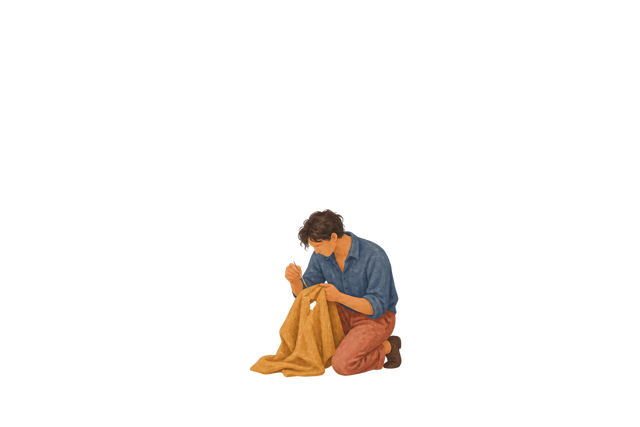
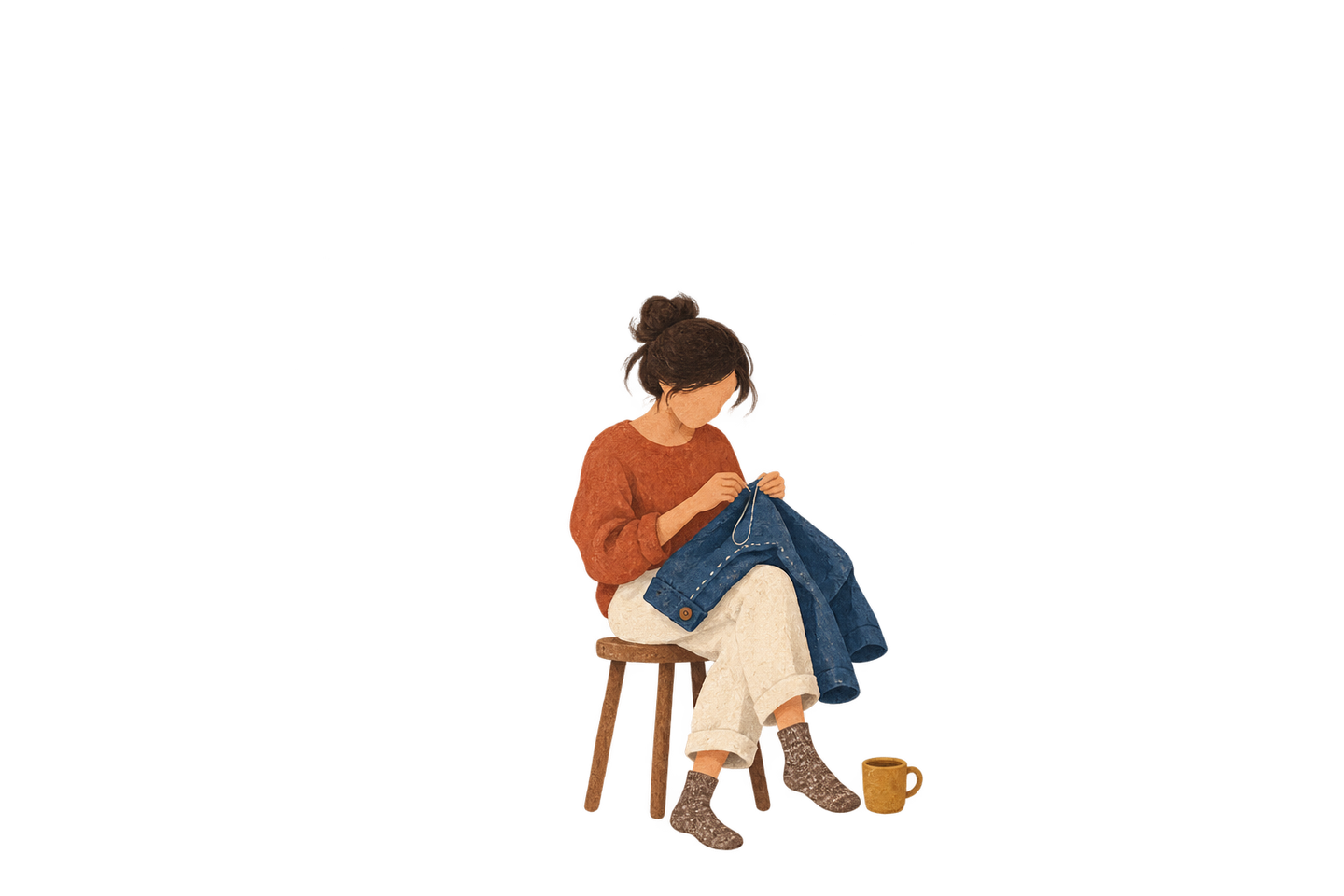
Your jacket still keeps you warm, fits well and has a loose seam. You could replace it because a newer one caught your eye. You could mend the seam. You could also call yourself content while leaving the damage to spread. The last two choices both avoid a purchase, but they give different kinds of attention to what you already have.
Here, contentment means recognising what is sufficient without making every improvement a condition of being satisfied. Complacency means resting in an easy account of things when a relevant need or problem deserves attention. These are working definitions for reflection, not a diagnosis of another person’s motivation.
Compare three ordinary decisions
A useful possession
Contentment: “This serves its purpose. I will mend the seam rather than replace it.”
Complacency: “It is fine,” while ignoring damage you could reasonably repair.
The question is whether the item meets the need and receives appropriate care, not whether keeping it proves you are less materialistic.
A skill at work
Contentment: “I do not need to win every comparison. I will learn the part this task requires.”
Complacency: “I am good enough,” used to dismiss a specific gap that keeps causing avoidable errors.
You can decline a contest over status while taking an actual responsibility seriously.
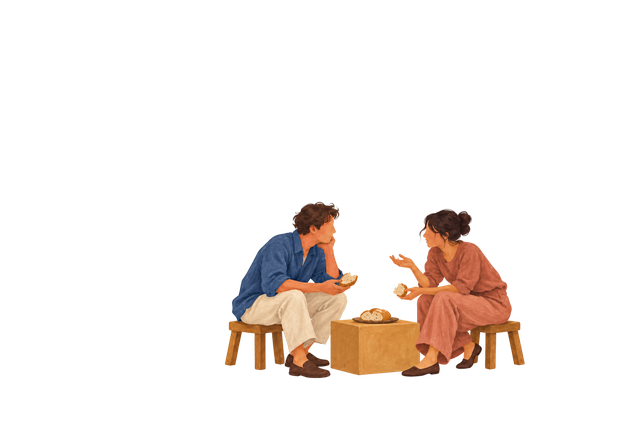
An evening with a friend
Contentment: enjoying a simple visit without needing it to become a special occasion.
Complacency: assuming the friendship needs no attention because you have known each other for years.
Ask what this person would welcome, rather than deciding in advance that a bigger plan or no plan is the caring answer.
The examples depend on circumstances. Time, money, tiredness and competing responsibilities can limit a repair or a visit. An unfinished task alone does not establish complacency. Look at what is needed, what is possible and what you are telling yourself about the gap.
Epicurus makes room for more than permanent austerity
In the Letter to Menoeceus, Epicurus treats independence from expensive requirements as valuable. In Robert Drew Hicks’s translation, the point is not always to use little, but to be able to be satisfied with little when much is unavailable. The surrounding discussion examines desires and choices rather than simply praising deprivation.
That passage supplies a reading prompt: which additional requirement have you made your satisfaction depend on? Our comparison with complacency is an editorial application. Epicurus does not give the jacket example or divide contemporary people into these two character types.
Nor does the passage establish that every person’s basic needs are easily secured in their actual circumstances. Do not use an ideal of simplicity to tell someone that an unmet need should cease to matter. Recognising enough requires an honest account of what is missing as well as what is available.
Try the repair-or-upgrade question
Choose one thing you are tempted to change. Name the need in plain terms: warmth, a reliable result, time together. Then ask whether the current arrangement meets it. If it does, identify what the addition would contribute beyond that. Enjoyment may be a real contribution; you need not disguise every preference as necessity.
If it does not meet the need, identify a proportionate response. Perhaps it needs a repair, a new arrangement or replacement. Contentment should not require you to keep something unusable merely to maintain a story about being satisfied.
A useful answer can include both appreciation and change: “This has served me well, and this part now needs attention.” That gives you a clearer decision than trying to feel either grateful or ambitious about the whole situation.
Let enough end one demand
For today, choose one unnecessary demand to set down and one genuine need to address. Keep them specific. You might stop browsing replacements and spend ten minutes making the repair, or stop comparing your contribution with everyone else’s and check the one calculation assigned to you.
The result is not a permanent state in which you never want anything. It is one decision in which satisfaction and care can coexist. Return to the circumstances when they change; enough is an assessment you can examine, not a word that settles every future question.