 Wiser by Day
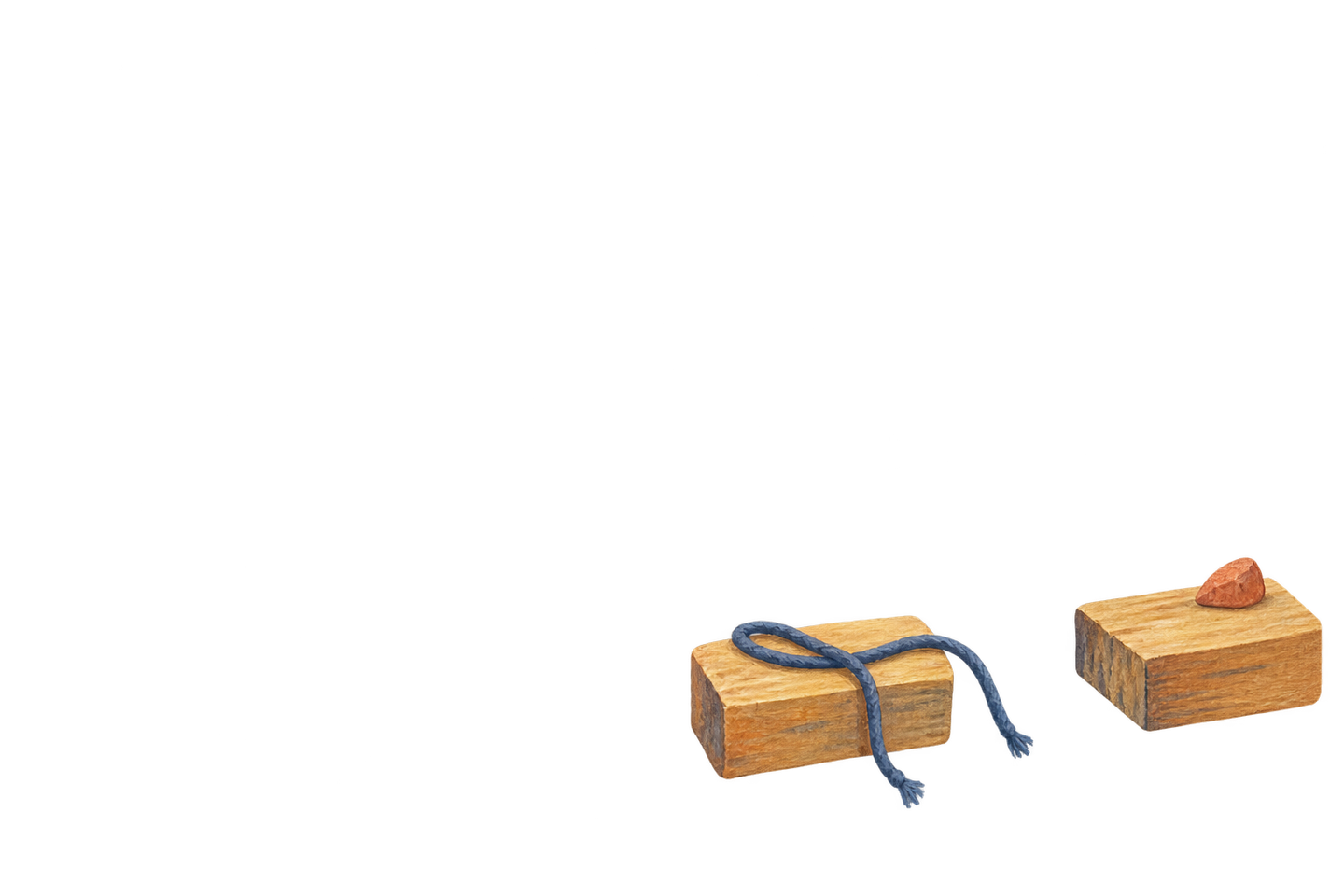
An apology can leave two questions open
A friend apologises for passing on something you told them privately. You believe the apology is sincere. You would like to stop rehearsing a cutting reply, but you are not ready to share another confidence. It can feel as though you must either welcome everything back or reject the apology entirely.
Try separating two questions. How do you want to respond to this wrong? What kind of relationship, if any, can you responsibly rebuild? They may influence each other, but answering one does not automatically answer the other. The friend’s wish for a quick resolution does not remove the second question.
A working distinction, with room for disagreement
Here, forgiveness concerns a changed response to a person for a wrong that is still recognised as wrong. Reconciliation concerns restoring a relationship. Philosophers disagree about the exact nature of forgiveness and whether reconciliation is part of it. Luke Russell and Brandon Warmke’s Stanford Encyclopedia of Philosophy entry describes the more common view that forgiveness can occur without reconciliation.
This article uses that distinction as a practical aid, rather than settling the philosophical debate. It also keeps forgiveness separate from discovering that no wrong occurred. If new information shows that your friend never disclosed the confidence, correcting your accusation is different from generously forgiving them.
Three situations to compare
A confidence was disclosed
Response to the wrong: You may acknowledge the apology and decide not to retaliate by revealing something private about your friend. You need not pretend the disclosure was harmless.
Rebuilding the relationship: You can meet for ordinary activities while keeping sensitive information to yourself. Restoring that part of the friendship would require a reason to believe your privacy will be respected. This is a changed arrangement, not proof that everything is repaired.
A shared commitment was missed
Response to the wrong: A colleague accepts responsibility for missing an agreed handover. You can stop using that incident as a weapon in unrelated disagreements while still naming its effect.
Rebuilding cooperation: Agree a smaller, checkable handover and a way to flag delays. Whether this works depends on what happens next, including your own commitments. An expression of goodwill cannot do the work of a reliable arrangement.
Contact would reopen a harmful pattern
Response to the wrong: You may be unsure whether forgiveness describes what you want. You can leave that question open without performing a reassuring announcement for someone else.
Future contact: You can maintain distance, seek support or use an intermediary where appropriate. A request for reconciliation does not establish that renewed contact is safe or owed. The distinction is not a technique for persuading a harmed person to return.
Ask for evidence without designing an endless test
In the privacy example, be specific about the part of the relationship at issue. Enjoying a walk together and trusting someone with a private concern involve different vulnerabilities. Saying what you are currently willing to do can be clearer than declaring that you either trust the person completely or do not trust them at all.
If you propose a new agreement, make it understandable. Explain the concern, say what you can offer and check whether the other person accepts the arrangement. Avoid creating a secret test whose conditions keep changing. A person cannot reliably respond to a boundary they have never been told about, although you may choose distance without negotiating every detail.
Notice your own uncertainty as well. One good conversation may be encouraging without settling a repeated pattern. You can say that you need time, or that you do not yet know what a workable relationship would look like. That answer is more honest than promising closeness to relieve an uncomfortable moment.
Do not turn the distinction into pressure
These examples do not provide a timetable for forgiveness or a guarantee of emotional relief. A person who remains angry is not thereby failing a moral exercise. Nor can someone else settle your response simply by insisting that they have changed. Take serious harm and unequal power seriously; this short article cannot assess an individual situation.
The distinction also matters if you are the person apologising. You can take responsibility, correct what you can and respect the response you receive. Asking for another person’s forgiveness does not give you the authority to demand private information, renewed access or a declaration that the matter is finished.
Write three different answers
Choose a low-stakes disagreement you can think about without becoming overwhelmed. Write what you believe happened, what response you want to stop or change, and what future arrangement you are willing to consider. Leave any answer blank if it is not clear yet.
Then ask what evidence would matter to the future arrangement. Keep that separate from the words you think you ought to say about forgiveness. This original reflection is a way to clarify a decision, not an instruction to forgive, reconcile or contact anyone.