 Wiser by Day
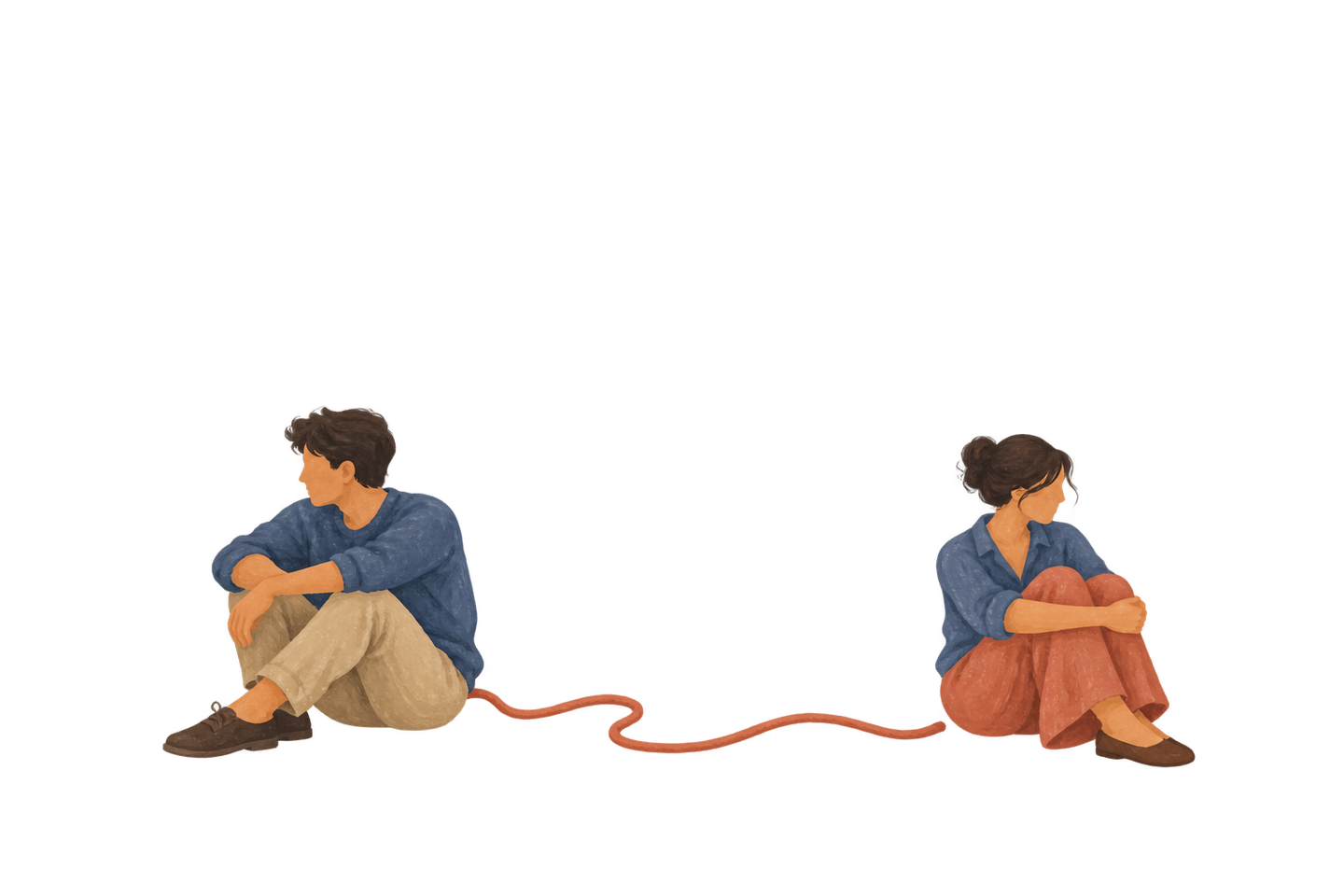
The verse and its translator
Hatred is never appeased by hatred in this world. By non-hatred alone is hatred appeased. This is a law eternal.Dhammapada 5
Translated by Acharya Buddharakkhita
This is one complete verse from the chapter called Pairs. The English belongs to Buddharakkhita’s translation, published by the Buddhist Publication Society in 1985. Keep that attribution when saving the passage. Our examples below are modern applications, rather than additional lines from the text.
Read the verses around it
Verses 3 and 4 contrast dwelling on having been abused, struck, overpowered or robbed with not harbouring those thoughts. The first describes hatred continuing; the second describes it being stilled. Verse 5 follows with the contrast between hatred and non-hatred; verse 6 turns toward mortality and settling quarrels. Read this short sequence together. It concerns how hostility continues, not a denial that people do wrong.
The larger book belongs to Buddhist teaching about conduct and liberation. A useful reading can begin with one interaction while recognising that the verse has a wider religious purpose. Neither the surrounding verses nor our application should disappear behind a reassuring slogan.
An ordinary quarrel, one decision at a time
A neighbour leaves a dismissive note about noise. You feel unfairly accused: the loud gathering was in another flat. You begin drafting a reply that mentions their own untidy doorway, their visitors and the time their dog barked.
Those details might be true. They might also have little to do with correcting the accusation. As one practical test for hostility—not a complete definition of non-hatred—ask what each sentence is doing before sending. Does it supply information, make a request or recruit another grievance so the neighbour feels small?
A proportionate reply could identify the mistake and suggest a way to check next time: “The gathering was not in our flat. Please knock or message us before leaving another note.” You may remain annoyed while choosing this wording. The exercise does not require an instant change of feeling.
If the neighbour responds badly, your message has not guaranteed peace. Its value lies in the conduct you chose and the information you made available. You can reconsider further contact without deciding that retaliation was the only honest option.
Non-hatred does not settle every practical question
The distinction is especially important when one person has much more power. A demand to be peaceful can become a way to silence a complaint. The passage deserves careful reading; the person describing harm deserves attention to what happened.
Does this require reconciliation?
Verse 6 values settling quarrels. Our modern application does not treat that as a requirement to restore closeness: distance, a boundary or a formal process may be needed. Refusing to make humiliation your aim does not require renewed intimacy.
Does this mean overlooking an injury?
A wrong can need documentation, correction, protection or consequences. Those decisions concern the actual conduct and circumstances. Do not use a verse to pressure someone to remain exposed to harm.
Read the draft for its purpose
Choose a low-stakes message you have not sent. Underline the words that clarify the issue. Then mark words whose main purpose is to punish, shame or win an audience. These categories can overlap, so examine the sentence rather than mechanically deleting every strong word.
Write a second version with one factual correction and one clear request. If the matter needs another channel, decide what that is. You might save a record, speak privately or stop replying. This is a modern reflection, not a complete traditional practice.
Compare the drafts after a short pause. Which one would you be prepared to explain tomorrow? Which leaves the other person enough information to respond to the actual issue? You do not have to find the perfect sentence. Aim for a reply whose purpose you can honestly stand behind.
Return to the verse afterward. Notice what it helped you question and what it did not decide for you. Reading closely includes preserving that limit.